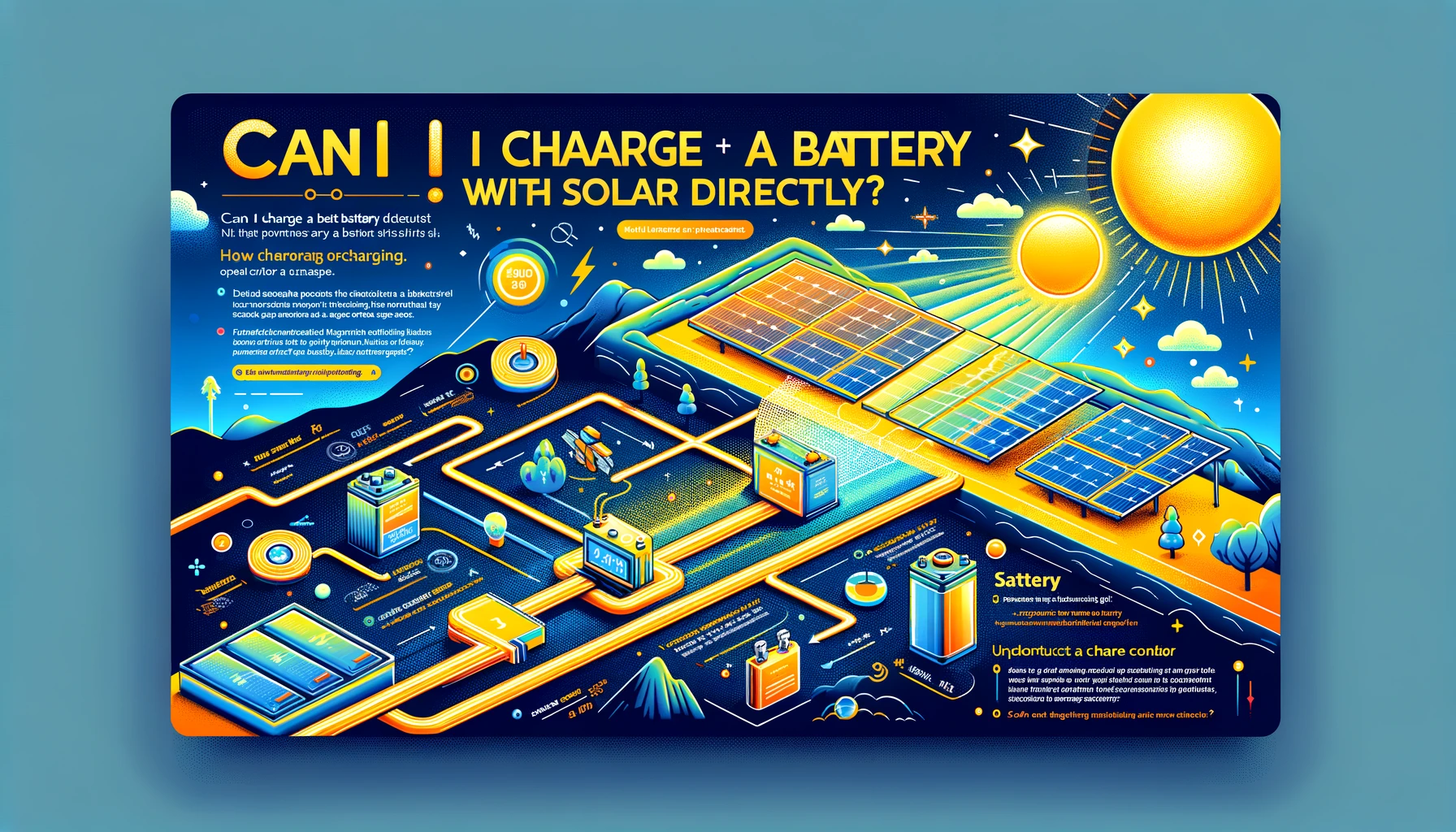
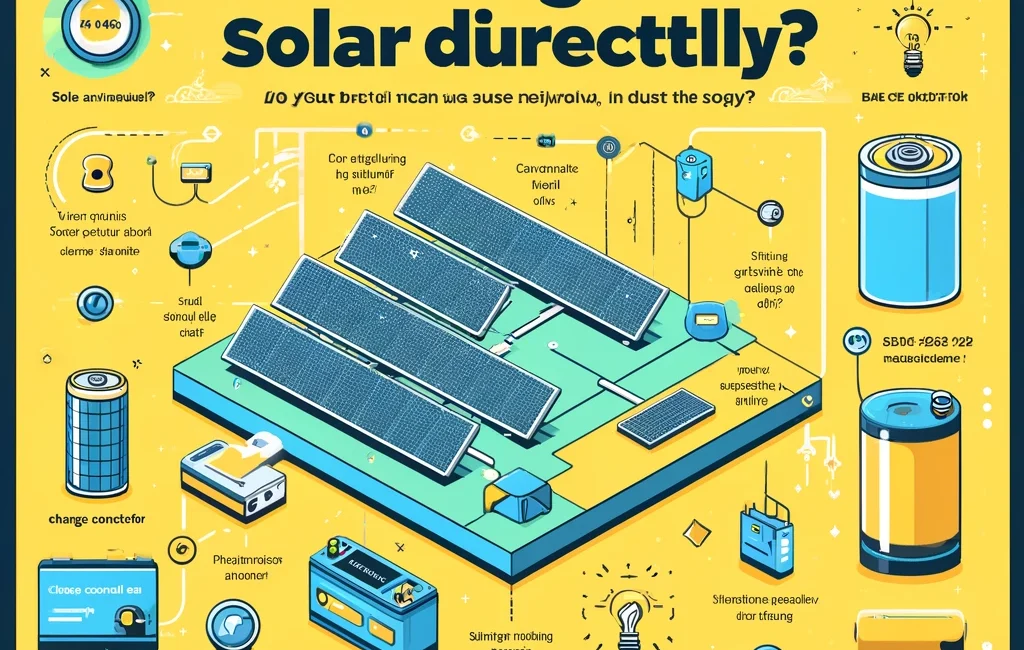
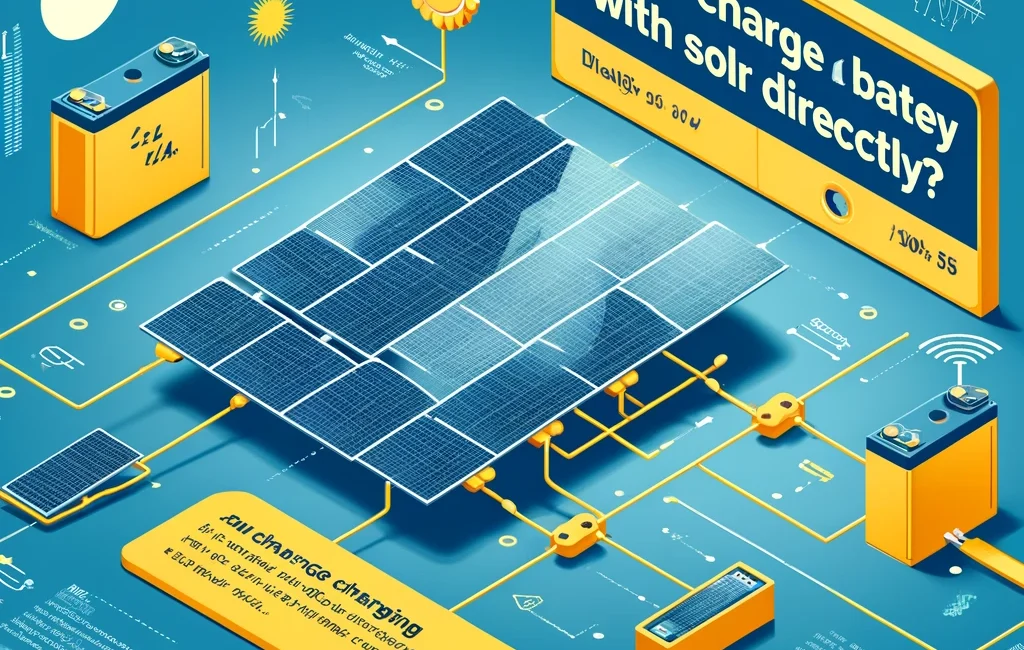
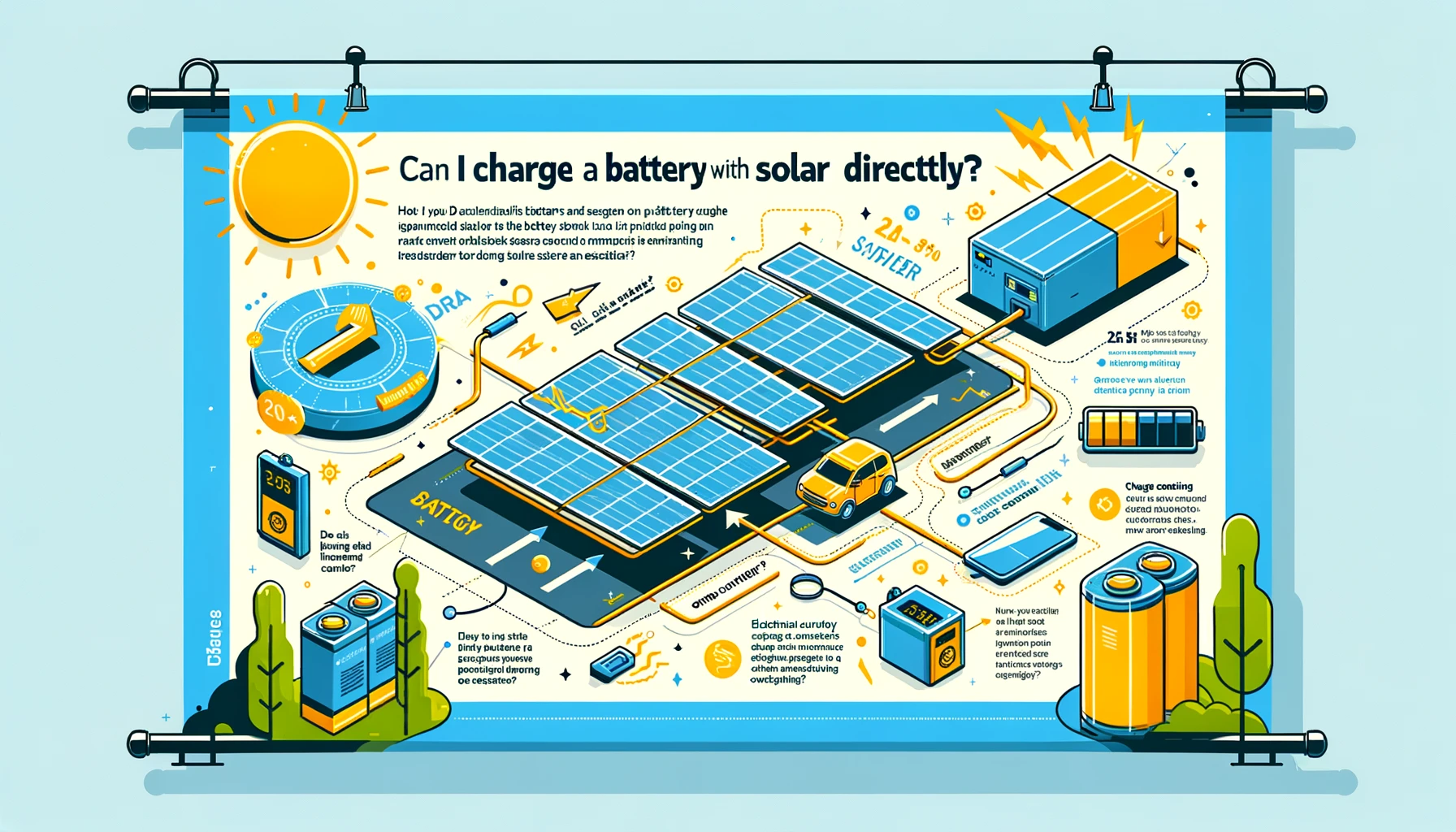
Can I Charge Battery with solar directly?
In the world of renewable energy, solar power stands out as a crucial and ever-evolving technology that harnesses the sun’s abundant energy. A common question that emerges for enthusiasts and new adopters of this green technology is whether it’s possible to charge a battery directly with solar power without intermediate devices. This blog explores the feasibility, methods, and considerations for directly charging batteries using solar panels, offering a deep dive into the mechanics, benefits, and practical aspects of solar energy storage.
“You can technically charge a battery directly with a solar panel, but it’s not recommended for several reasons:”
Understanding the Basics of Solar Charging
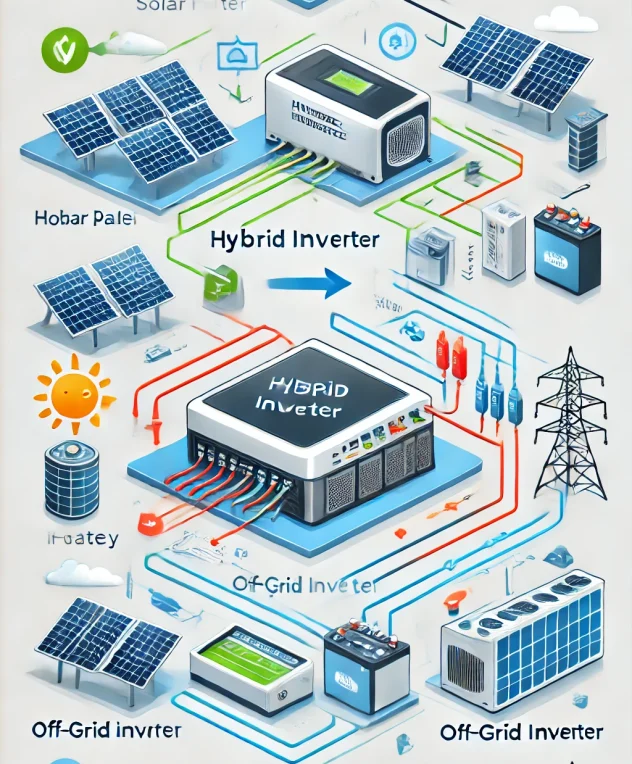
Solar panels convert sunlight into electricity through photovoltaic cells, generating direct current (DC). However, the electricity generated is often not directly suitable for charging batteries due to variability in voltage and current. To understand whether you can charge a battery directly from solar panels, it’s essential to explore the components involved and their functions:
Solar Panels:Â These are the primary tools for capturing sunlight and converting it into electrical energy. The type of solar panel and its efficiency rate play a crucial role in how effectively it can charge a battery.
Batteries: These storage devices are essential for holding the electricity generated by solar panels. Different types of batteries, such as lead-acid, lithium-ion, and nickel-cadmium, have varying capacities, lifespans, and efficiencies.
Charge Controller: Typically, a solar charge controller is crucial in this setup. It regulates the voltage and current coming from the solar panels to a level that can be safely stored in the battery, preventing overcharging and damage.
While most standard solar power setups involve a charge controller, there is a growing interest in simplifying the system by eliminating this component when conditions permit. Charging a battery directly from a solar panel without a charge controller is technically possible but comes with significant caveats and risks.
Voltage Compatibility: The voltage output of the solar panel must match the voltage requirements of the battery. This match is crucial to prevent damage due to overvoltage or undervoltage, which can reduce battery life and efficiency.
Current and Charging Rate: Solar panels produce a variable current depending on the sunlight’s intensity. Direct charging can lead to fluctuations in the charging rate, potentially harming the battery and affecting its overall performance and capacity.
Safety Risks: Without a charge controller, there is a risk of overcharging the battery on very sunny days or not charging enough during overcast conditions. Overcharging can lead to overheating, swelling, and even explosions in severe cases.
Integrating a charge controller in your solar charging setup, despite the appeal of direct charging, offers several benefits that enhance battery life and system efficiency:
Regulated Charging: Charge controllers precisely regulate the charge, ensuring that batteries receive the optimal voltage and current. This regulation is crucial for maintaining battery health and maximizing lifespan.
Prevention of Overcharging and Deep Discharge: These devices can effectively prevent overcharging and deep discharges, both of which can significantly degrade battery performance and longevity.
Maximized Energy Harvest: Some advanced charge controllers come with Maximum Power Point Tracking (MPPT) technology, which ensures that solar panels operate at their maximum efficiency regardless of weather conditions.
SETTING UP A DIRECT SOLAR CHARGING SYSTEM
If you decide to set up a solar charging system without a charge controller, consider the following steps to minimize risks:
Select Compatible Panels and Batteries: Ensure that the solar panel’s output matches the battery’s specifications. Using panels and batteries that are inherently compatible reduces the risk of mismatched voltage and current.
Monitor Weather Conditions: Since sunlight intensity directly affects the panel’s output, it’s crucial to monitor weather conditions and adjust the exposure accordingly to prevent overcharging.
Implement Protective Diodes: Use blocking diodes to prevent the current from flowing back from the battery to the solar panel during the night or in low light conditions, which can drain the battery.
Regular Monitoring: Without a charge controller, it’s vital to regularly check the battery voltage and current to ensure safe charging levels and adjust the setup as needed.
Conclusion
Charging a battery directly from a solar panel is possible but not recommended without proper understanding and precautions. For those interested in a DIY approach or in situations where simplicity is a necessity, direct charging can be a viable option. However, for most applications, using a charge controller remains the safest and most efficient method for converting and storing solar energy.
By considering the type of battery, the specific requirements of your solar panels, and whether you’re equipped to monitor and adjust the system as needed, you can make an informed decision about the best setup for your solar charging needs.


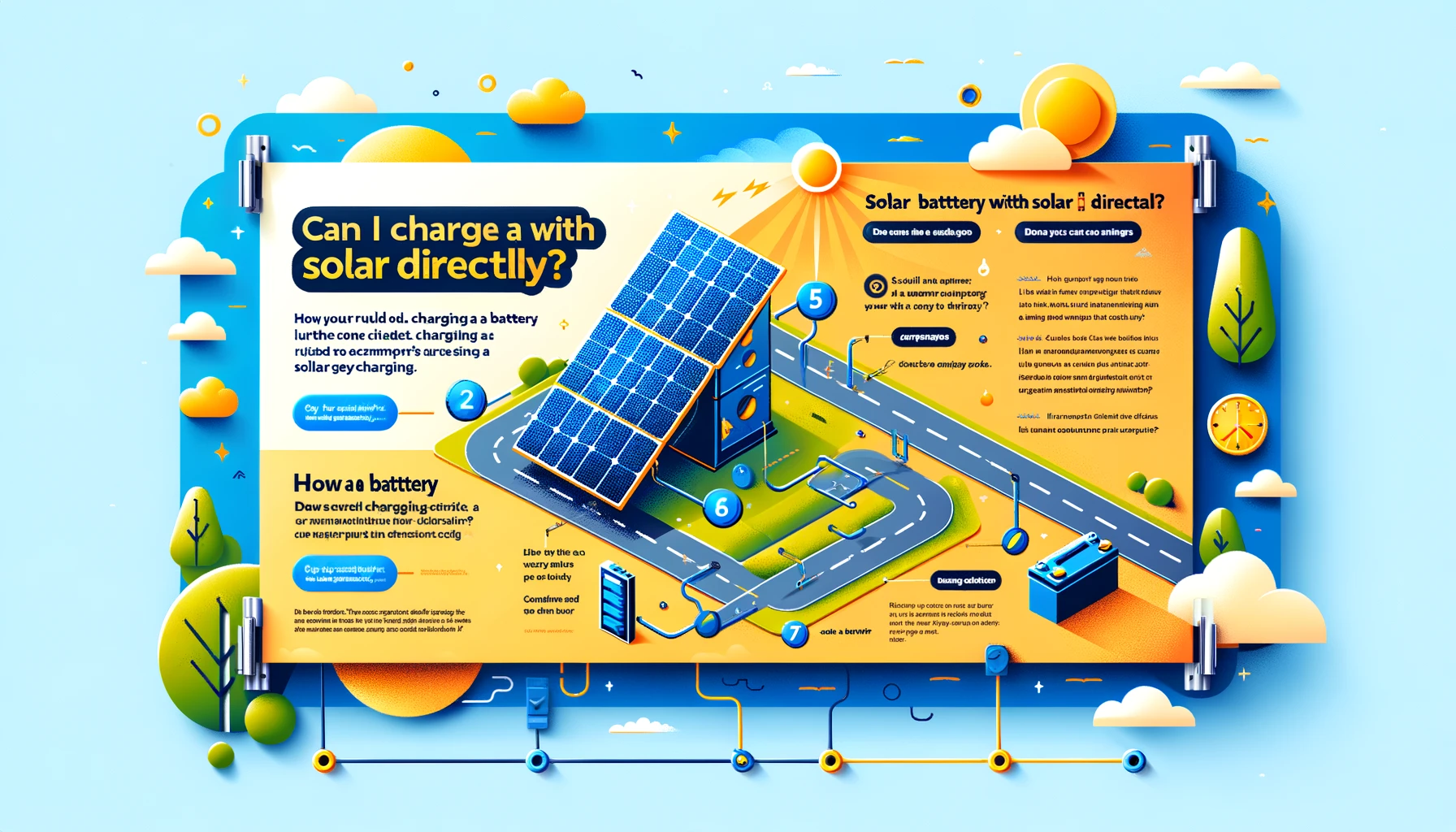
Photo to Coloring
I appreciate how this post clears up a common misunderstanding. It’s easy to assume you can hook solar panels straight to a battery, but as I’ve learned, voltage regulation is crucial to prevent overcharging or damaging the battery.