

How Does a LiFePO4 Battery System Work
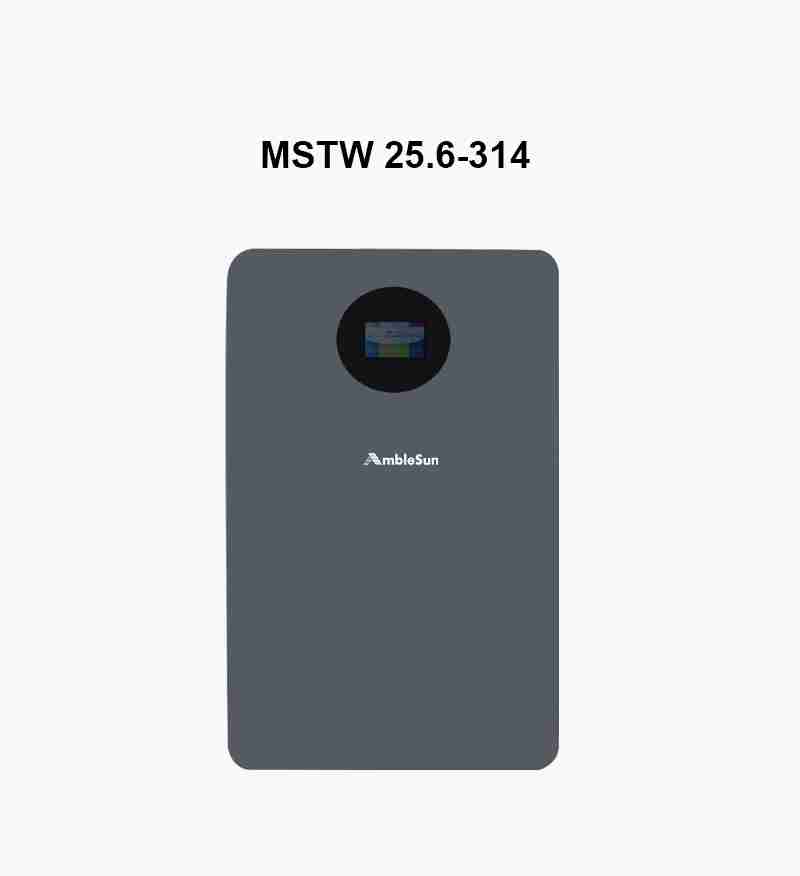

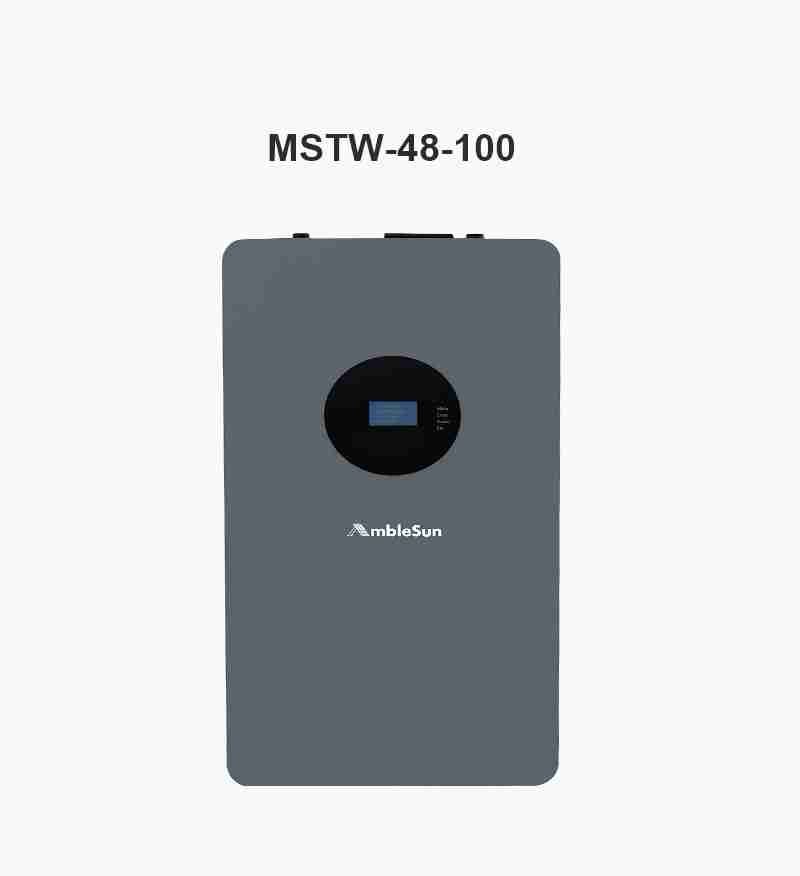
A LiFePO4 battery, or Lithium Iron Phosphate battery, is a rechargeable lithium-ion battery that uses lithium iron phosphate as the cathode material and graphite as the anode. Known for its long cycle life and superior thermal and chemical stability, it has become a preferred choice in applications that demand reliable and safe energy storage.
Unlike traditional lithium-ion batteries that use cobalt-based chemistries, LiFePO4 batteries are non-toxic, have a longer operational lifespan, and are much less prone to overheating or catching fire. These characteristics make them highly suitable for renewable energy storage, electric vehicles, marine power, and off-grid systems.
Additionally, LiFePO4 batteries provide a steady voltage throughout the discharge cycle, which ensures efficient and consistent energy delivery. They are widely recognized for their low maintenance, high charge and discharge efficiency, and resistance to environmental extremes. These qualities help reduce operational costs and increase the overall safety and performance of energy systems where they are deployed.
A LiFePO4 battery is a type of lithium-ion battery that uses lithium iron phosphate (LiFePO4) as the cathode material and graphite as the anode. It stands out for its superior thermal and chemical stability, long cycle life, and high safety performance.
LiFePO4 batteries are often used in solar battery systems, off-grid power setups, electric vehicles, and backup power solutions due to their durability and low maintenance needs.
Core Components of a LiFePO4 Battery System
- Battery Cells
Battery cells are the energy core of the system. Each cell contains lithium iron phosphate as the cathode material and graphite as the anode. These cells are arranged in series and parallel configurations to achieve desired voltage and capacity. Their chemistry ensures stable operation, long life, and resistance to overheating.
- Battery Management System (BMS)
The Battery Management System is a crucial component that ensures the battery operates safely and efficiently. It regulates the voltage of individual cells, manages charging and discharging cycles, protects against overcurrent, and provides temperature control. Modern BMS units also support remote monitoring and diagnostics through Bluetooth or Wi-Fi.
- Inverter or Charger Controller (in Solar Setups)
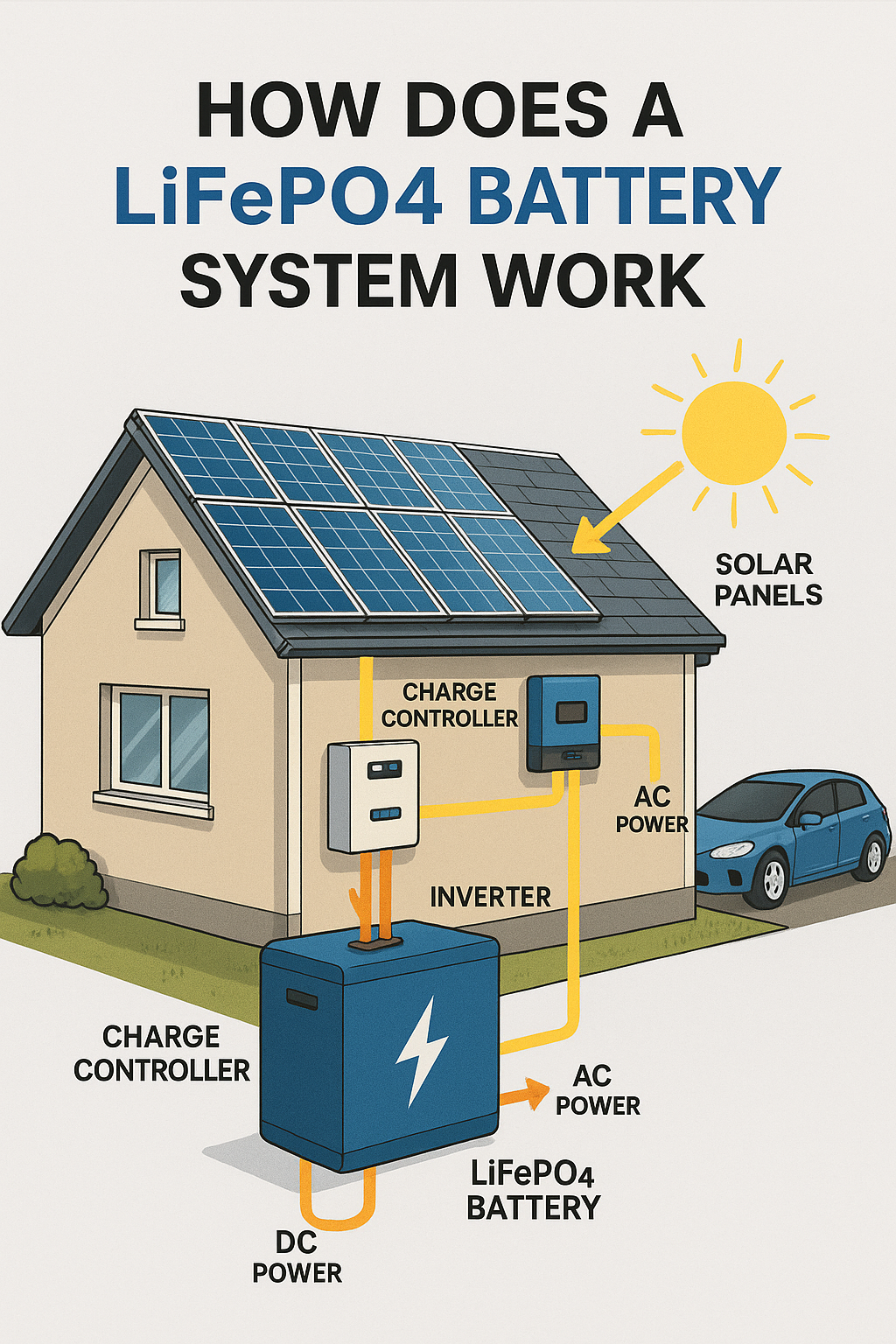
In solar-powered systems, the inverter or charger controller plays a dual role. It manages energy flow from the solar array to the battery bank and converts stored DC electricity into AC power for appliances. Smart inverters also allow for programmable load control, time-of-use optimization, and hybrid grid interaction.
- Battery Enclosure and Wiring
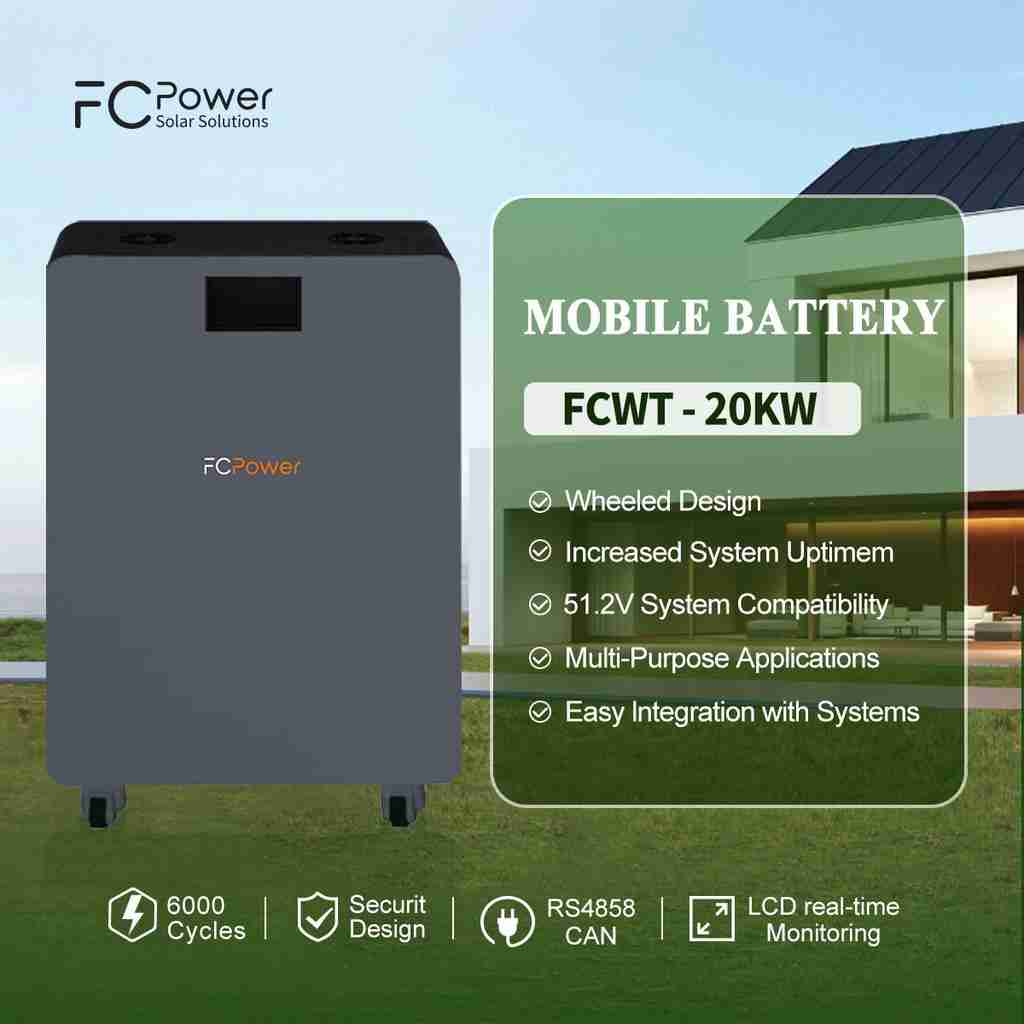
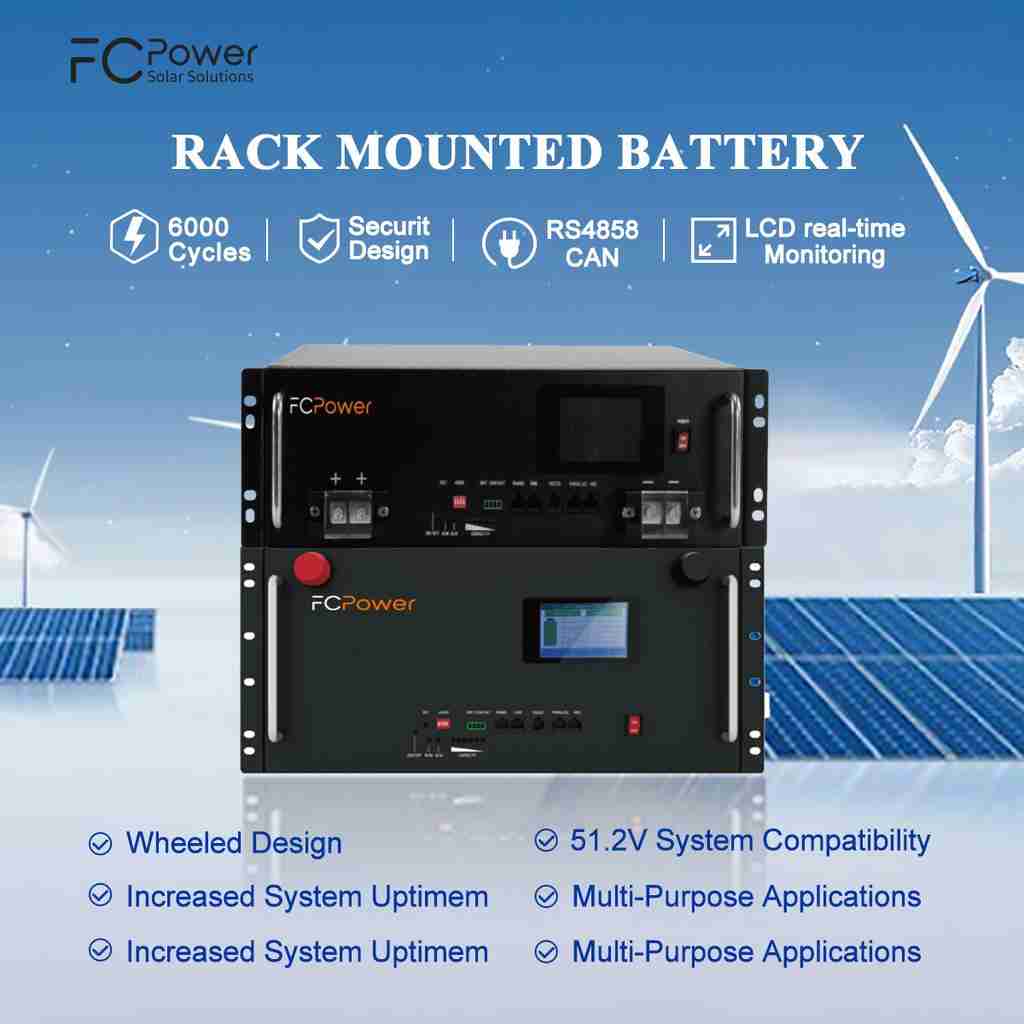
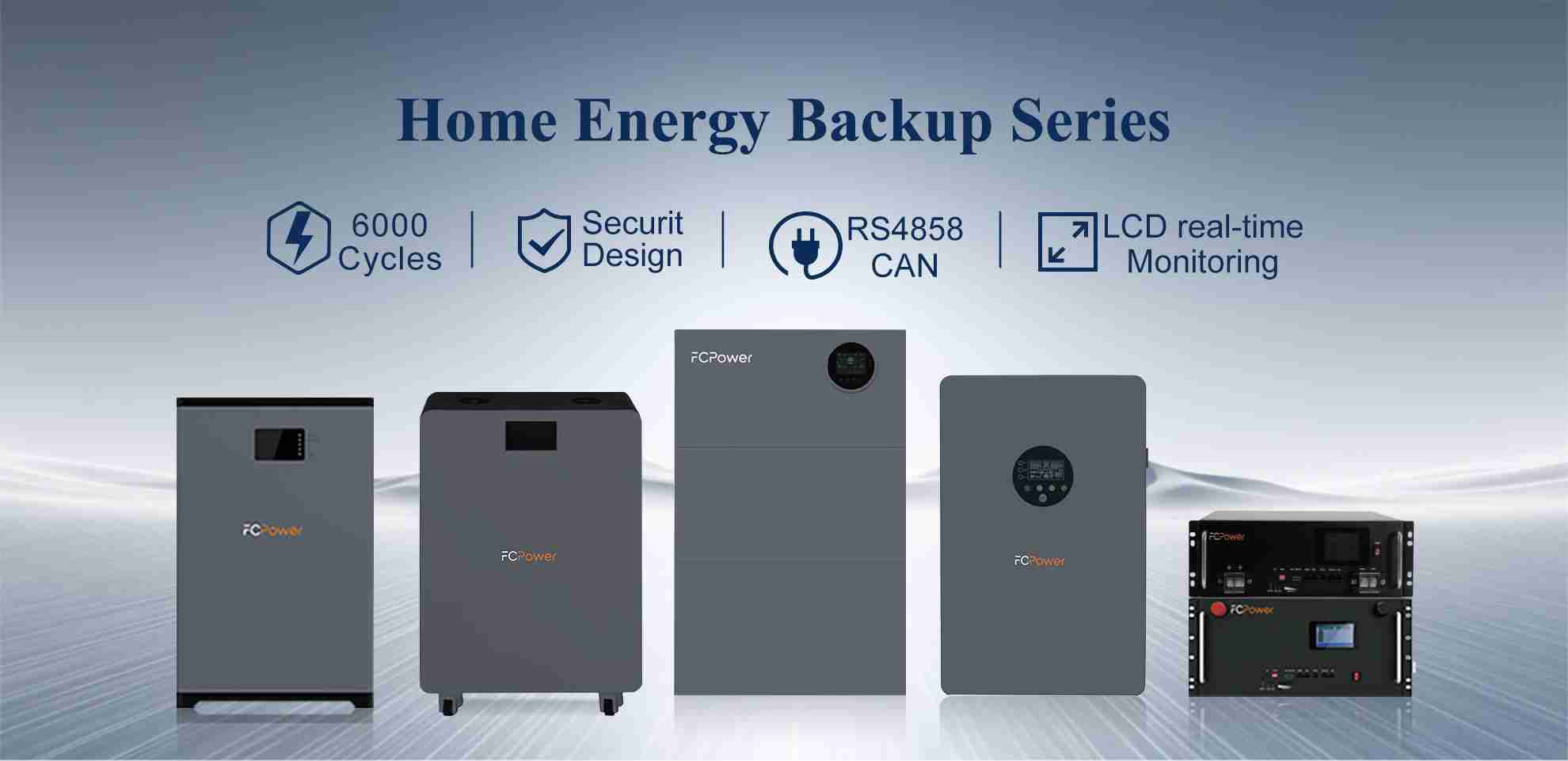
A durable enclosure protects the battery cells and internal electronics from physical damage, moisture, and dust. It includes integrated wiring, safety fuses, terminals, and sometimes ventilation fans. Modular enclosures allow for stacking or wall-mounting, making installation flexible and space-efficient.
How Does a LiFePO4 Battery Work?
The Lithium Iron Phosphate System Advantage
A full lithium iron phosphate system integrates LiFePO4 battery cells with smart charge controllers, inverters, and a battery management system to deliver a cohesive and reliable energy storage solution. This setup ensures not just energy storage, but intelligent energy flow, long-term protection of battery health, and real-time performance monitoring. Whether used for residential solar storage, backup systems, or mobile energy setups, a lithium iron phosphate system provides consistent power output with excellent thermal stability, high round-trip efficiency, and robust safety mechanisms.
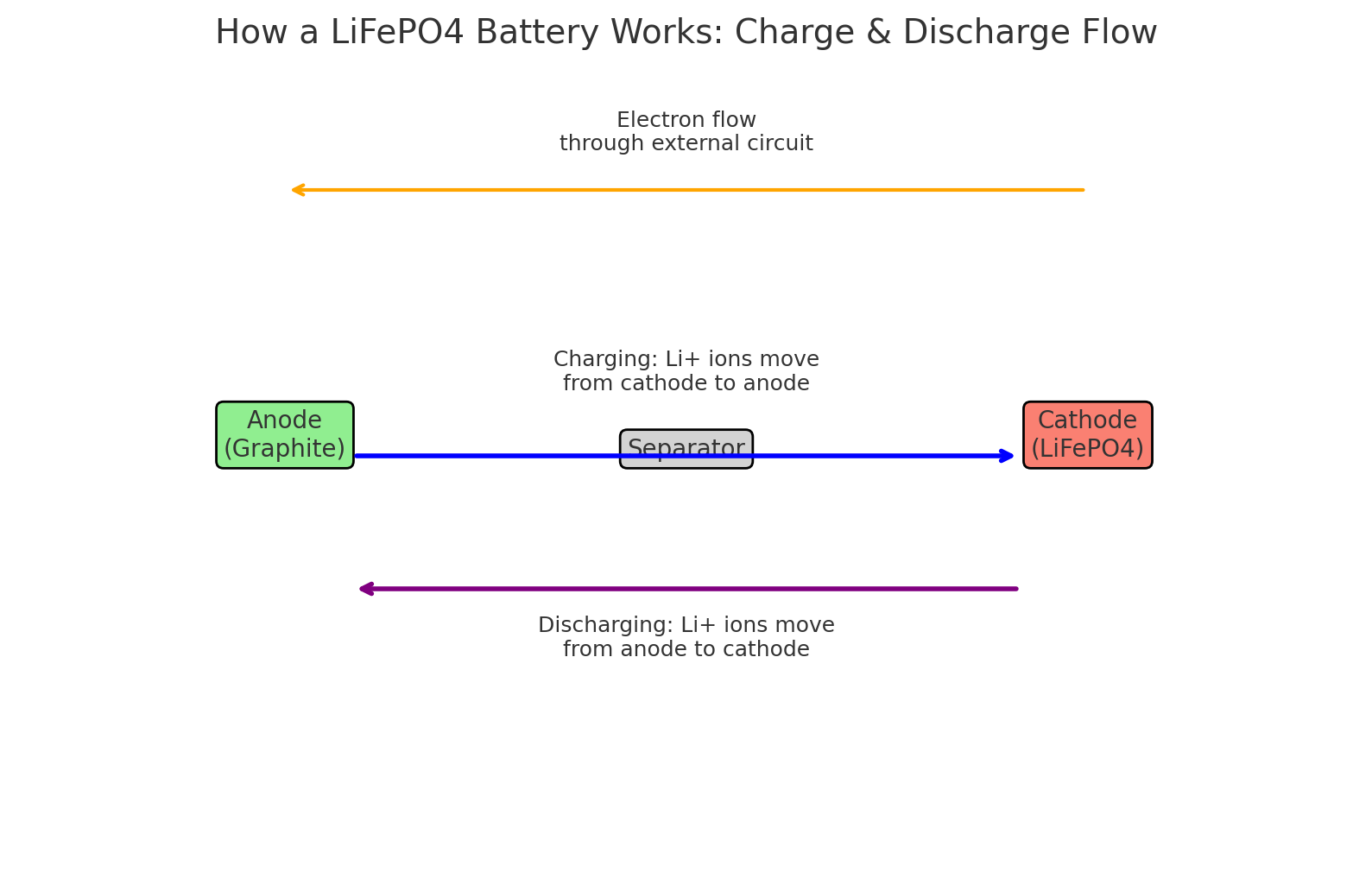
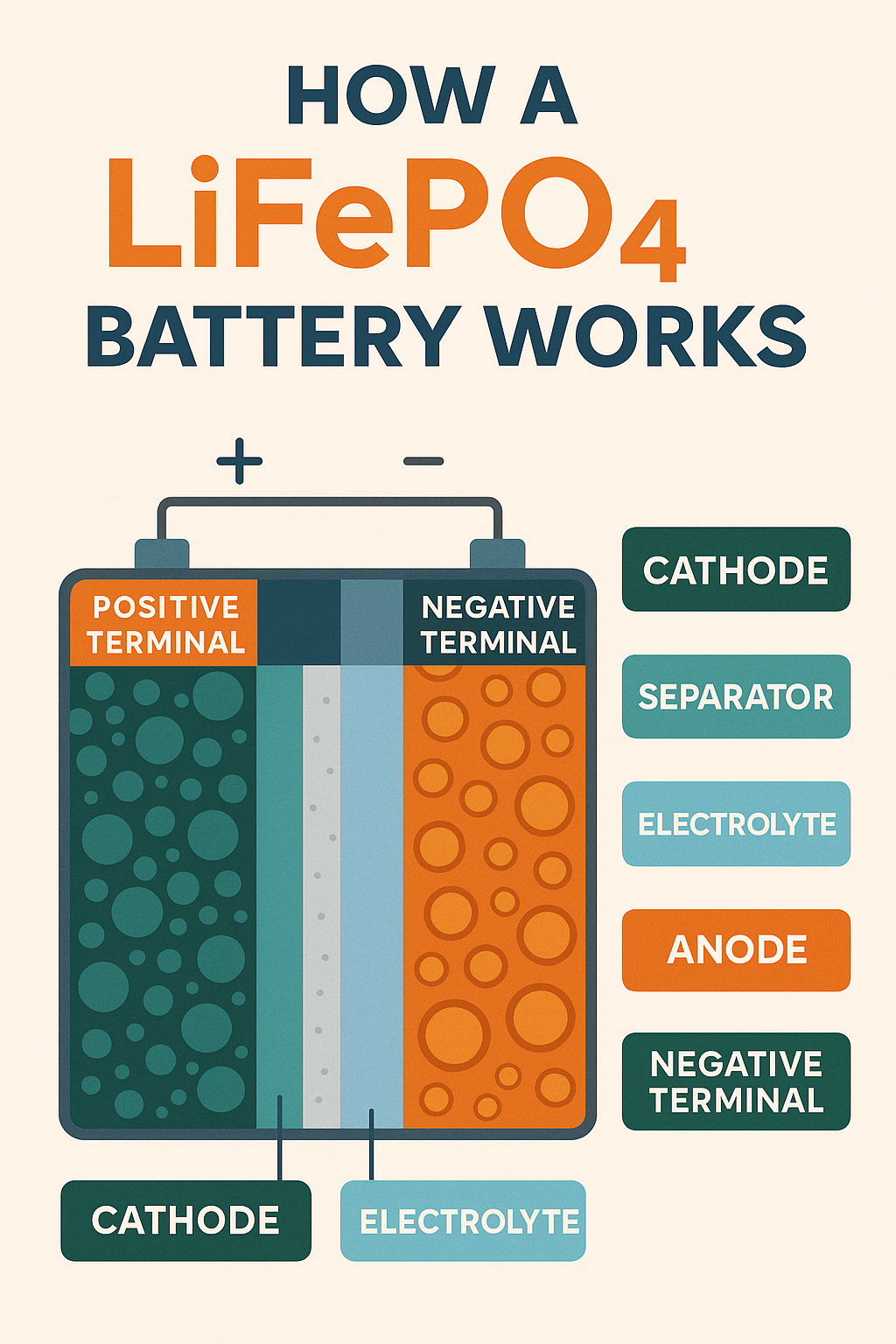
A LiFePO4 battery works by moving lithium ions between the cathode and anode during charge and discharge cycles. When discharging, lithium ions flow from the anode (graphite) to the cathode (lithium iron phosphate), releasing electrons that travel through an external circuit to power devices. During charging, the ions flow in the opposite direction, back to the anode, storing energy.
This process is enabled by an electrolyte that facilitates ion movement and a separator that prevents direct contact between the anode and cathode, thus avoiding short circuits. The battery maintains a relatively flat voltage profile during discharge, typically around 3.2–3.3V per cell, which allows connected devices to operate at a stable power level.
Compared to other lithium chemistries, LiFePO4 is more thermally stable, meaning it doesn’t degrade or overheat easily under high current or high temperature. Additionally, it is chemically stable and non-toxic, reducing fire risk and environmental hazards. These traits make it ideal for applications where safety and reliability are essential, such as home solar storage, electric vehicles, and marine equipment.
During discharge, lithium ions move from the anode (negative side) to the cathode (positive side) through the electrolyte, generating electricity. When charging, the ions move in the reverse direction—from cathode to anode—storing energy.
Unlike other lithium-ion chemistries, LiFePO4 batteries maintain a stable voltage throughout most of the discharge cycle, which means they deliver consistent power without voltage dips.
Their thermal stability ensures they don’t overheat or catch fire easily, even when exposed to extreme conditions—making them a safe and reliable choice for many applications.
Advantages of LiFePO4 Battery Systems
Comparison Table: LiFePO4 vs Lead-Acid vs NMC Lithium Batteries
Feature | LiFePO4 | Lead-Acid | NMC Lithium |
Cycle Life | 4,000–10,000+ cycles | 300–1,000 cycles | 2,000–3,000 cycles |
Thermal Stability | Very High | Low | Moderate |
Safety | Excellent (non-flammable) | Poor (risk of gassing) | Good (can overheat) |
Maintenance | None | High (requires upkeep) | Minimal |
Energy Density | Medium | Low | High |
Weight | Light | Heavy | Light |
Cost | Moderate | Low | High |
Eco-Friendliness | Non-toxic, recyclable | Contains lead | May contain cobalt |
Charge Efficiency | 95–98% | ~80% | ~90% |
Voltage Stability | Flat discharge curve | Steep drop-off | Moderate stability |
This table helps highlight why LiFePO4 batteries are ideal for safe, long-term, and low-maintenance power needs compared to traditional and advanced alternatives.
- Long Cycle Life
LiFePO4 batteries can endure 4,000 to 10,000+ charge and discharge cycles, providing a service life of up to 10 years or more. This far surpasses traditional lead-acid batteries, which typically last only 300 to 1,000 cycles.
- Enhanced Safety
Thanks to their chemical stability, LiFePO4 batteries are far less prone to overheating, thermal runaway, or explosion compared to other lithium-ion batteries. They remain stable even under high temperatures, overcharge conditions, or physical damage, making them a top choice for indoor and mobile installations.
- Lightweight and Compact
These batteries deliver higher energy density in a smaller and lighter form factor. A LiFePO4 battery typically weighs half as much as a lead-acid equivalent, making it ideal for weight-sensitive applications like RVs, boats, and portable systems.
- High Efficiency
LiFePO4 technology offers an impressive round-trip energy efficiency of 95–98%, which means minimal energy loss between charging and discharging. This ensures faster charging, better solar performance, and less strain on power sources.
- Flat Discharge Curve
Unlike lead-acid batteries that lose voltage as they discharge, LiFePO4 maintains a stable voltage level throughout most of its capacity. This leads to consistent appliance performance and minimizes risks of damage to sensitive electronics.
- Fast Charging
LiFePO4 batteries can accept higher charge currents, which translates into shorter charging times. They are particularly well-suited for solar energy storage, where fast absorption of energy during peak sun hours is essential.
- Low Maintenance
These batteries are virtually maintenance-free. There’s no need for watering, equalization, or regular servicing, which makes them ideal for both remote applications and users seeking worry-free energy storage.
- Eco-Friendly and Non-Toxic
Unlike cobalt-based lithium batteries, LiFePO4 does not pose significant environmental or health hazards. They are made from non-toxic materials and are easier to recycle, supporting sustainability goals.
Applications of LiFePO4 Battery Systems
LiFePO4 batteries play a vital role as a solar energy storage battery in modern residential and commercial solar systems. Their long cycle life and high efficiency make them ideal for storing excess energy generated from solar panels during the day and supplying it at night or during outages.
When it comes to how LiFePO4 battery works, the consistent voltage and fast recharge capability ensures stable power for sensitive appliances and loads. Unlike lead-acid batteries, these units support deep discharges without compromising lifespan.
As a top-performing lithium battery for solar, LiFePO4 cells offer greater safety and sustainability than other chemistries. They are the go-to solution for off-grid solar, grid-tied solar backup, and hybrid energy systems.
Often referred to as a lithium iron battery, this chemistry eliminates toxic materials like cobalt, enhancing environmental friendliness and making it more robust under stress.
If you’re looking for a purpose-built LiFePO4 solar battery, these units integrate seamlessly with MPPT charge controllers and hybrid inverters. They’re optimized to capture solar energy efficiently and deliver clean, uninterrupted power for homes, cabins, and remote installations.
LiFePO4 battery systems are known for their versatility and ruggedness, making them a top choice across various sectors where dependable energy is critical. Their high cycle life, safety features, and compact form factor allow them to serve a wide range of applications:
- Off-grid solar systems: Ideal for cabins, homesteads, and remote installations that need reliable, maintenance-free solar storage.
- Recreational vehicles (RVs) and camper vans: Offers lightweight, long-lasting power for lighting, appliances, and off-grid travel.
- Marine and boating systems: With excellent thermal stability and no off-gassing, they are safe and efficient for powering onboard systems.
- Home energy backup: Integrates seamlessly with home solar setups to provide emergency or time-of-use power backup.
- Portable power stations: Used in camping, field operations, and outdoor workstations, they deliver safe, efficient mobile power.
- Electric bikes and scooters: Their energy density and charge efficiency improve range and performance in personal mobility solutions.
- Remote communication stations: Supports critical operations in hard-to-reach or off-grid locations with consistent power delivery.
Why LiFePO4 Systems Are Leading the Charge
If you’re looking for a safe, high-performance energy storage solution, a LiFePO4 battery system is one of the best options available. With unmatched lifespan, safety features, and efficiency, it’s no wonder these batteries are powering everything from homes to highways.
Whether you’re building a solar-powered cabin, upgrading your RV, or adding backup power at home, LiFePO4 technology offers peace of mind, low maintenance, and long-term value.

Leave a Reply