

Description
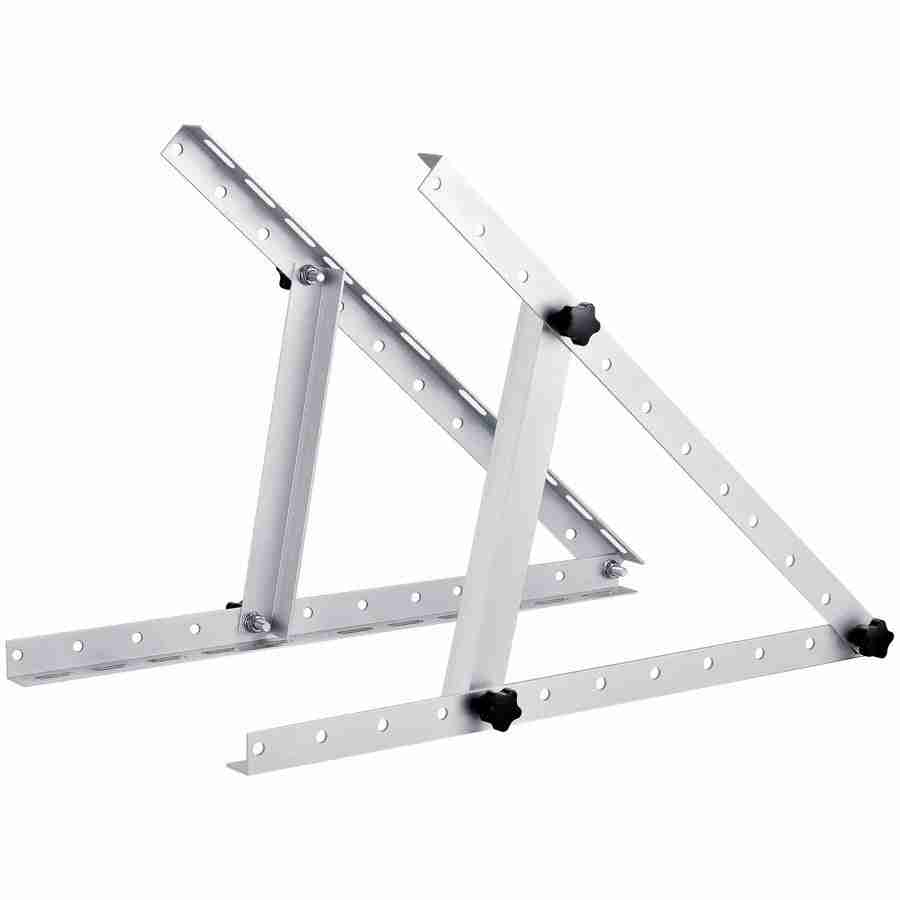
TILT MOUNT BRACKET
Introduction to Tilt Mount Brackets
A tilt mount bracket is an essential piece of hardware used across various industries and applications. Whether you’re installing a solar panel, mounting a television, or setting up equipment that requires specific positioning, the tilt mount bracket plays a crucial role in ensuring optimal performance and usability. Its design and functionality make it a versatile solution for numerous mounting needs, providing flexibility, adjustability, and stability.
Understanding the Basics of a Tilt Mount Bracket
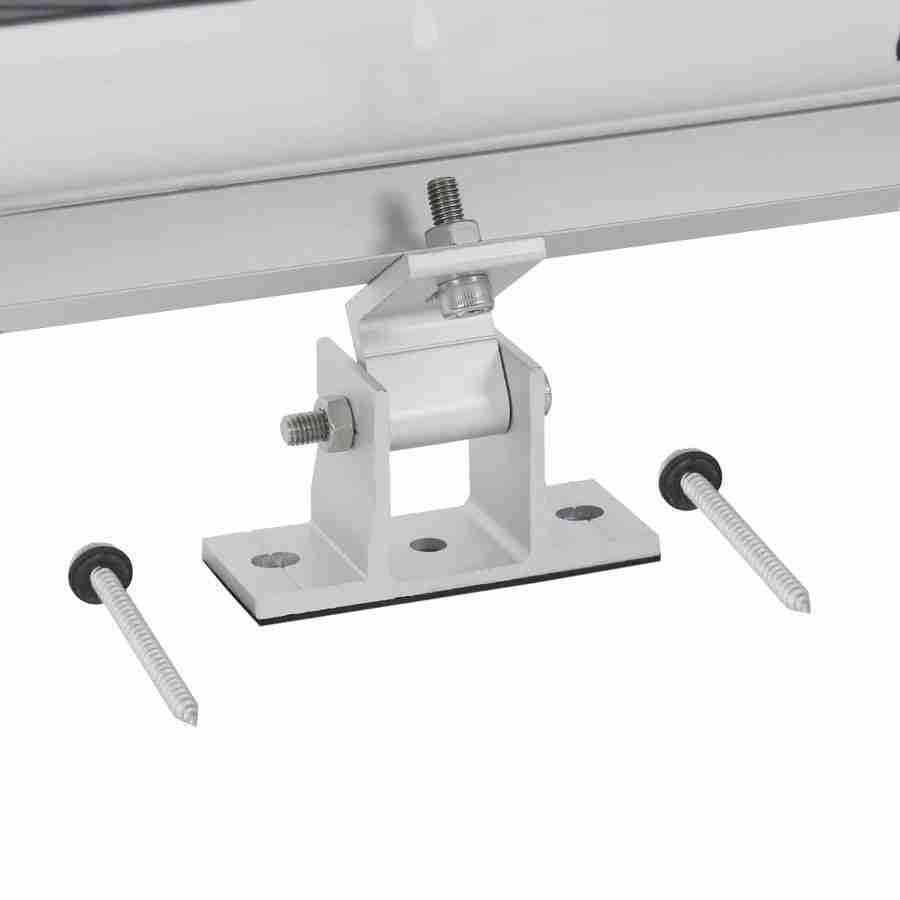
At its core, a tilt mount bracket is designed to hold an object securely while allowing it to be tilted at different angles. This adjustability is particularly important in applications where alignment and orientation are critical to the performance of the mounted device. For example, in solar energy systems, the ability to tilt panels toward the sun maximizes energy capture, which is crucial for efficiency.
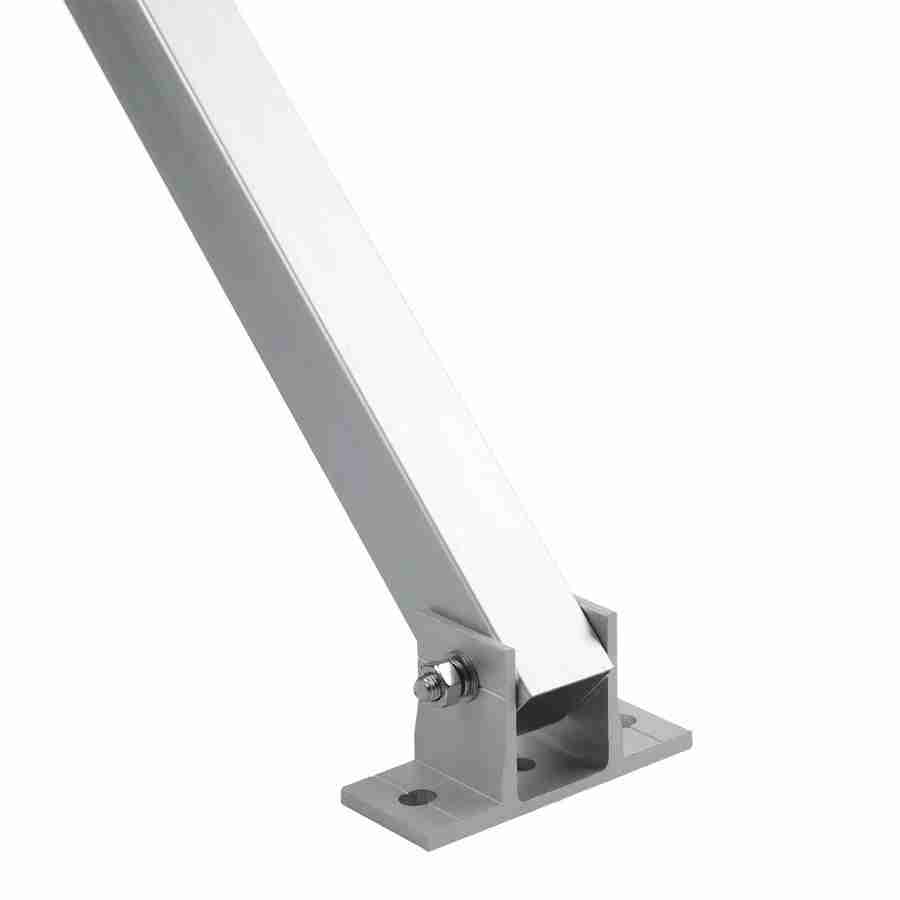
Tilt mount brackets are typically made from robust materials such as steel, aluminum, or high-strength composites, ensuring they can support the weight of the mounted object and withstand environmental stresses like wind, rain, and temperature fluctuations. The materials chosen for these brackets are often corrosion-resistant, especially in outdoor applications, to ensure longevity and reliability.
Types of Tilt Mount Brackets
Tilt mount brackets come in various shapes and sizes, each tailored to specific applications. Below are some common types:
1.Solar Panel Tilt Mount Bracket
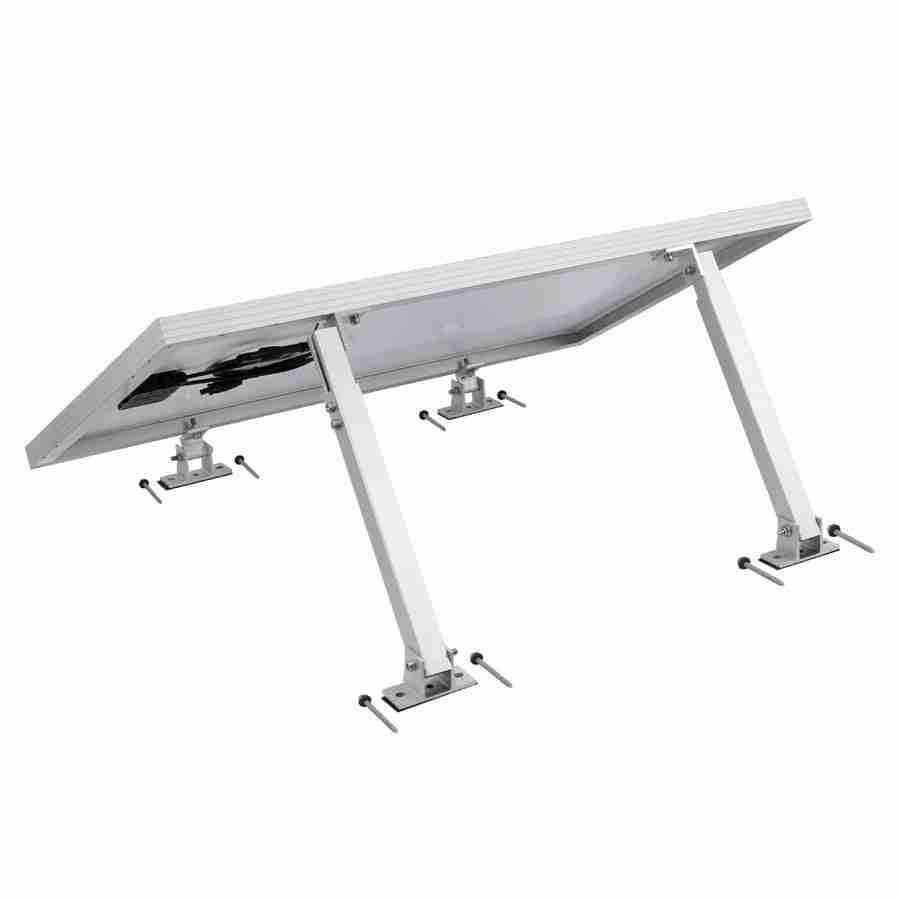
Solar panels are most efficient when they face the sun directly. Since the sun’s position changes throughout the day and across seasons, a fixed panel might not always be at the optimal angle. A tilt mount bracket for solar panels allows the user to adjust the angle of the panel to capture the maximum amount of sunlight. These brackets are often adjustable manually, with some advanced systems offering automated tilt adjustments based on the sun’s position.
2.TV Tilt Mount Brackets
Wall-mounted televisions have become increasingly popular, and the tilt mount bracket for TVs is one of the most sought-after solutions. Unlike fixed mounts, a tilt mount bracket for TVs allows the screen to be angled downward, making it ideal for high wall placements. This adjustability helps in reducing glare, improving viewing angles, and enhancing the overall watching experience.
3.Equipment Tilt Mount Brackets
In industrial settings, certain equipment needs to be positioned at specific angles for optimal operation. Tilt mount brackets are used to securely mount equipment such as cameras, sensors, or other devices that require precise orientation. These brackets are designed to withstand heavy loads and harsh conditions, providing both stability and flexibility.
4.Antenna Tilt Mount Brackets
Antennas often need to be tilted to improve signal reception or transmission. A tilt mount bracket for antennas allows users to fine-tune the angle to achieve the best possible signal, which is crucial for communication systems, especially in remote areas.
Key Features of Tilt Mount Brackets
When choosing a tilt mount bracket, several features are important to consider:
1.Adjustability
The primary advantage of a tilt mount bracket is its adjustability. The range of tilt offered by the bracket is a key factor, as it determines how much control you have over the angle of the mounted object. Some brackets offer a few degrees of tilt, while others provide a much broader range, allowing for precise adjustments.
2.Load CapacityThe load capacity of the tilt mount bracket is crucial, especially for heavier objects like solar panels or industrial equipment. The bracket must be able to support the weight of the object without bending, breaking, or losing its tilt adjustment over time.
3.Ease of Installation
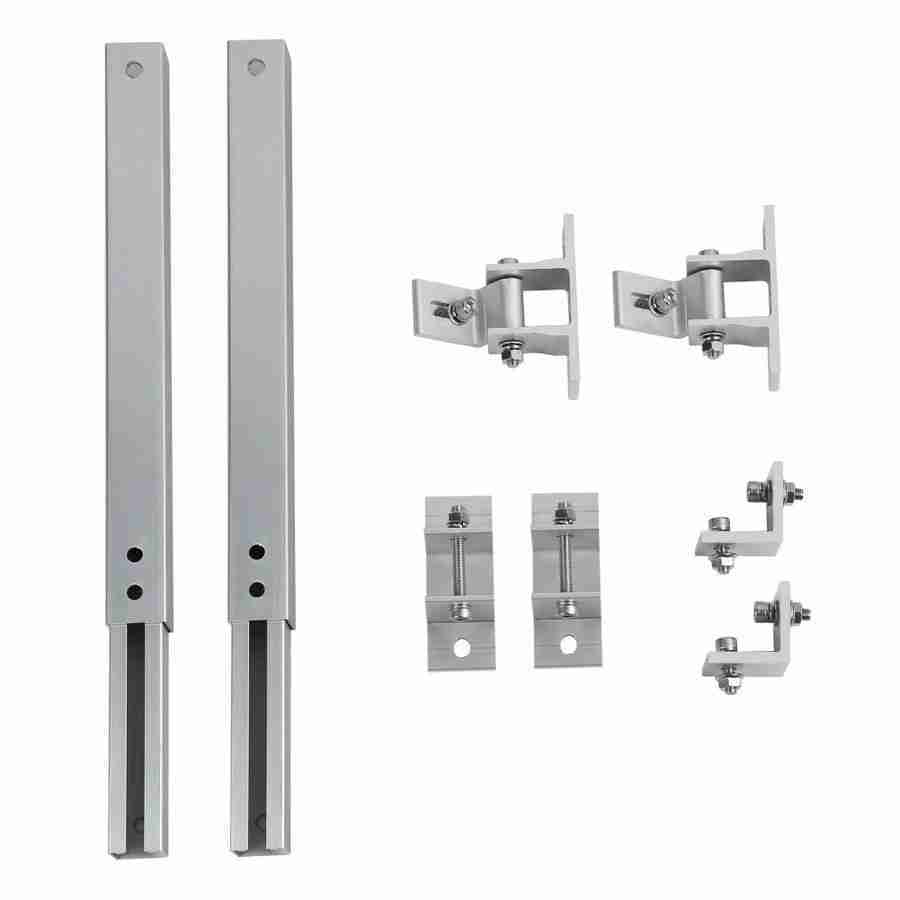
A well-designed tilt mount bracket should be easy to install. This includes having clear instructions, the necessary hardware, and a design that doesn’t require specialized tools or skills. For solar panels, for instance, ease of installation can significantly reduce labor costs and time.
4.Durability
The durability of the tilt mount bracket is essential, particularly for outdoor applications. The bracket must resist corrosion, UV exposure, and other environmental factors. High-quality materials and finishes can extend the life of the bracket, ensuring it remains functional and secure over time.
5.Security Features
Security is another important aspect, particularly for outdoor installations. The tilt mount bracket should include locking mechanisms to prevent unauthorized adjustments or theft. For example, solar panel brackets often come with locking bolts or security screws that require specific tools to adjust.
Applications of Tilt Mount Brackets
Tilt mount brackets are used in a wide range of applications across different industries. Below are some of the key areas where these brackets are indispensable:
1.Renewable Energy
In the renewable energy sector, particularly solar energy, tilt mount brackets are crucial for optimizing the performance of solar panels. By allowing panels to be adjusted according to the sun’s angle, these brackets help in maximizing energy capture and improving the overall efficiency of solar power systems. This is particularly important in regions with varying seasonal sunlight angles.
2.Home Entertainment
For home entertainment systems, tilt mount brackets for televisions and monitors are essential. They allow users to position their screens at the perfect angle, reducing glare and enhancing the viewing experience. Whether mounted above a fireplace or on a high wall, the tilt functionality ensures that the screen is visible from different seating positions.
3.Telecommunications
In telecommunications, antennas often need to be mounted at specific angles to ensure optimal signal strength. Tilt mount brackets provide the flexibility to adjust antennas for the best possible reception or transmission, which is particularly important in challenging environments where signal paths are obstructed.
4.Surveillance and Security
Security cameras and other surveillance equipment often require precise positioning to cover specific areas. Tilt mount brackets allow for easy adjustment of cameras, ensuring that they capture the desired field of view. This is crucial for maintaining security and monitoring large or complex areas.
5.Aerospace and Defense
In aerospace and defense applications, tilt mount brackets are used for mounting various types of equipment that require specific orientation, such as sensors, radars, and communication devices. The brackets must be highly durable and capable of withstanding extreme conditions, including high vibrations, temperature variations, and harsh environments.
Choosing the Right Tilt Mount Bracket
Selecting the appropriate tilt mount bracket depends on several factors, including the type of object being mounted, the environment, and the specific requirements of the application. Below are some considerations to keep in mind when choosing a tilt mount bracket:
1.Purpose and Application
Understanding the specific needs of your application is the first step in choosing the right tilt mount bracket. For example, a bracket designed for solar panels will have different requirements than one intended for a television or an antenna. Ensure that the bracket is designed to meet the specific demands of your project.
2.Material and Build Quality
The material and build quality of the tilt mount bracket are critical, especially for outdoor or heavy-duty applications. Look for brackets made from high-quality, corrosion-resistant materials such as stainless steel or anodized aluminum. These materials provide strength and longevity, ensuring that the bracket remains functional over time.
3.Adjustability and Range
Consider the range of tilt adjustment offered by the bracket. Some applications may require only a slight tilt, while others may need a wider range of motion. The bracket should provide the necessary flexibility to achieve the desired angle.
4.Installation Process
The ease of installation is another important factor. Some tilt mount brackets come with pre-drilled holes, clear instructions, and all the necessary hardware, making installation straightforward. Others may require more complex assembly or specialized tools, so it’s essential to consider the installation process when making your choice.
5.Compatibility
Ensure that the tilt mount bracket is compatible with the object you plan to mount. This includes checking the mounting interface, load capacity, and any specific requirements for alignment or orientation
6.Cost and Budget
While cost is always a consideration, it’s important not to compromise on quality. Investing in a high-quality tilt mount bracket can save money in the long run by reducing maintenance costs, improving performance, and extending the life of the mounted object.
CONCLUSION
The tilt mount bracket is a versatile and essential component in various industries and applications. From optimizing solar panel performance to enhancing home entertainment systems, these brackets provide the flexibility and adjustability needed to achieve the best results. By understanding the different types of tilt mount brackets, their features, and their applications, you can make an informed decision that meets your specific needs.
Whether you’re working on a renewable energy project, setting up a home theater, or installing industrial equipment, choosing the right tilt mount bracket is crucial for success. Consider the factors discussed above, and invest in a high-quality bracket that offers the durability, adjustability, and security required for your project.


Reviews
There are no reviews yet.